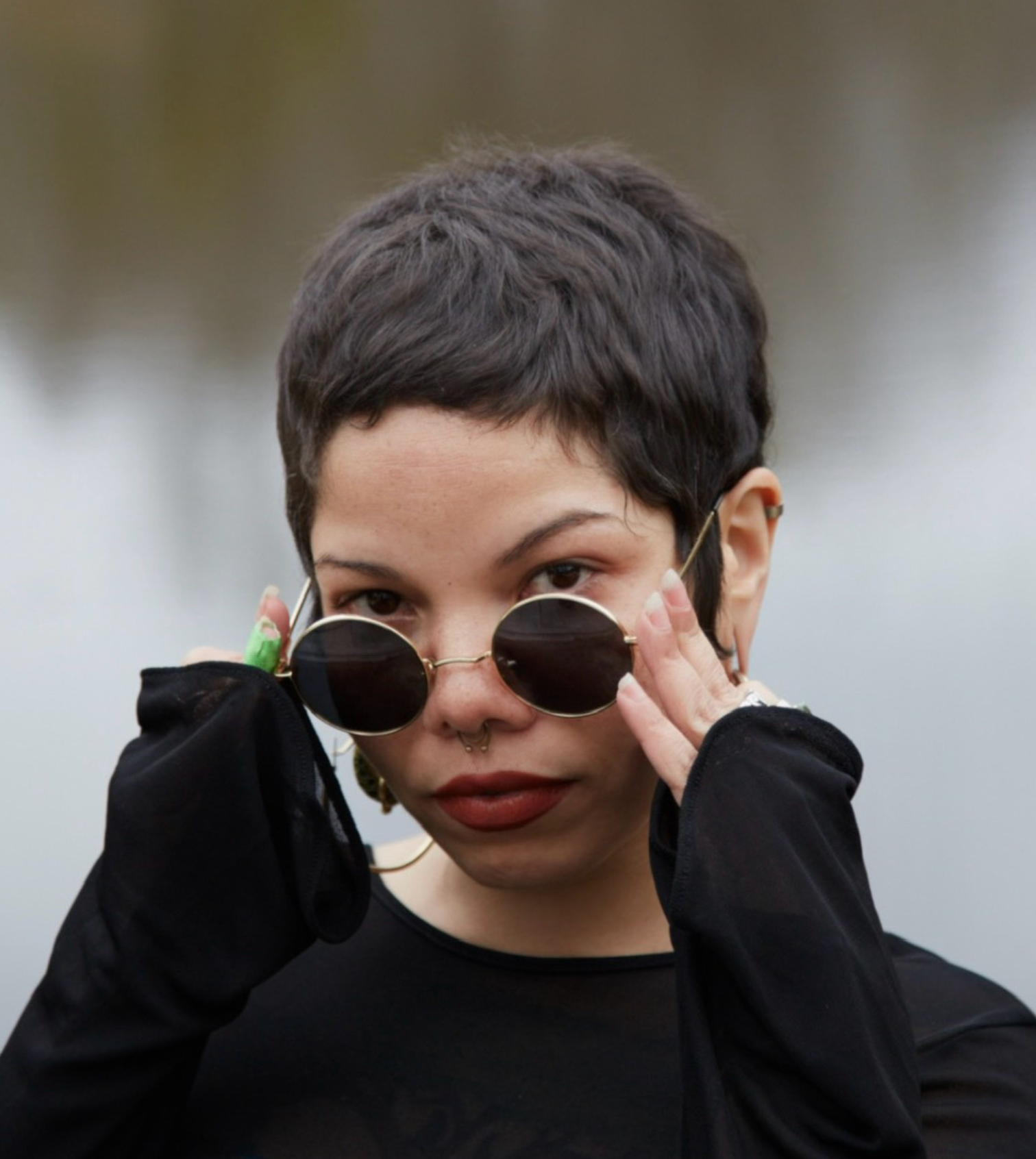
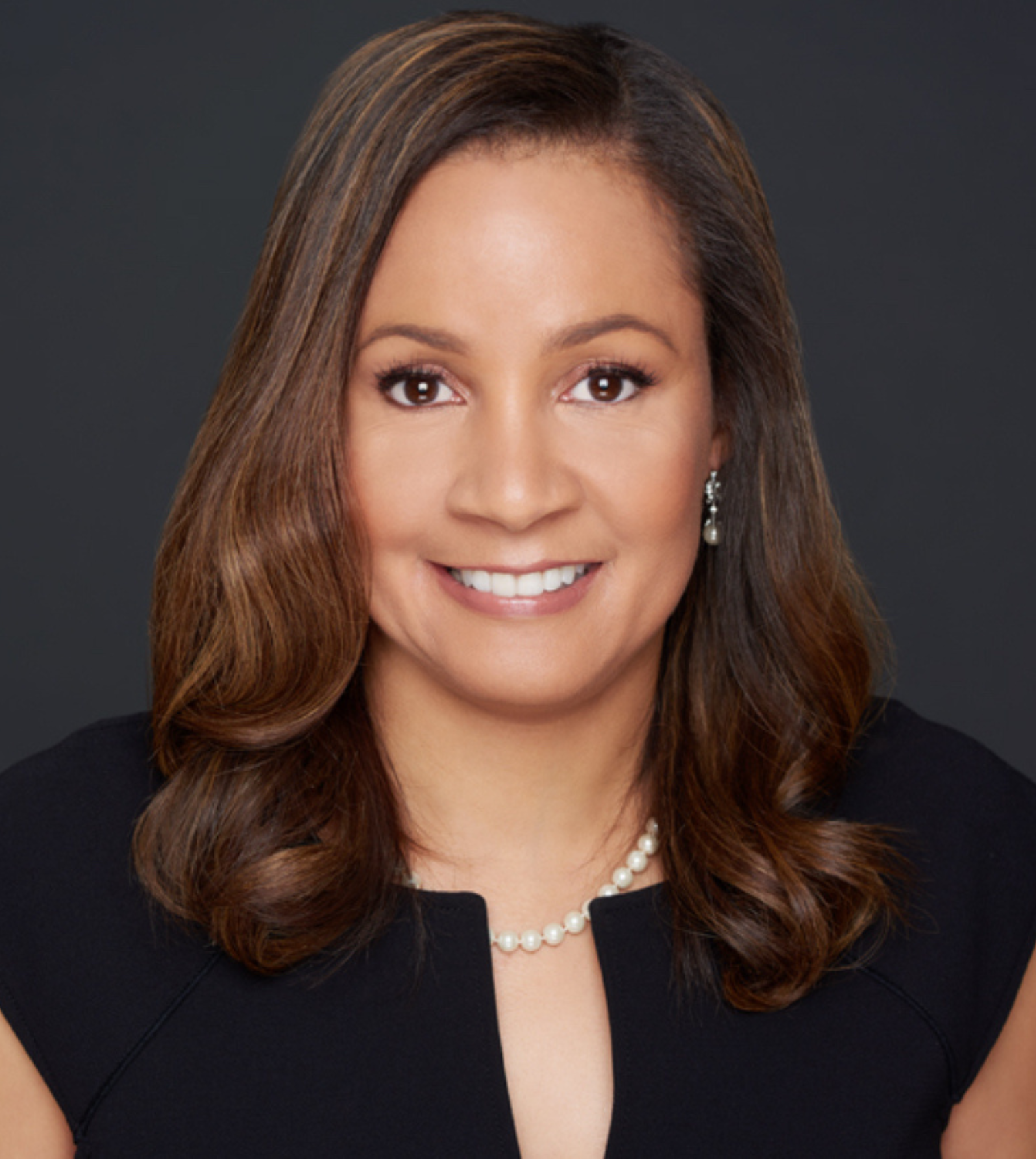
Amanda Morell:
One tangible step I encourage our audience to take is actively participating in the ecosystem that allows these stories to exist by donating, sharing, and advocating for the work that challenges the very system that often tries to dismantle us. As we move into post-production, we are continuing our fundraising efforts to support our composers, sound design, color correction, and festival deliverables. All is essential for us to bring this film to life. Donate here.
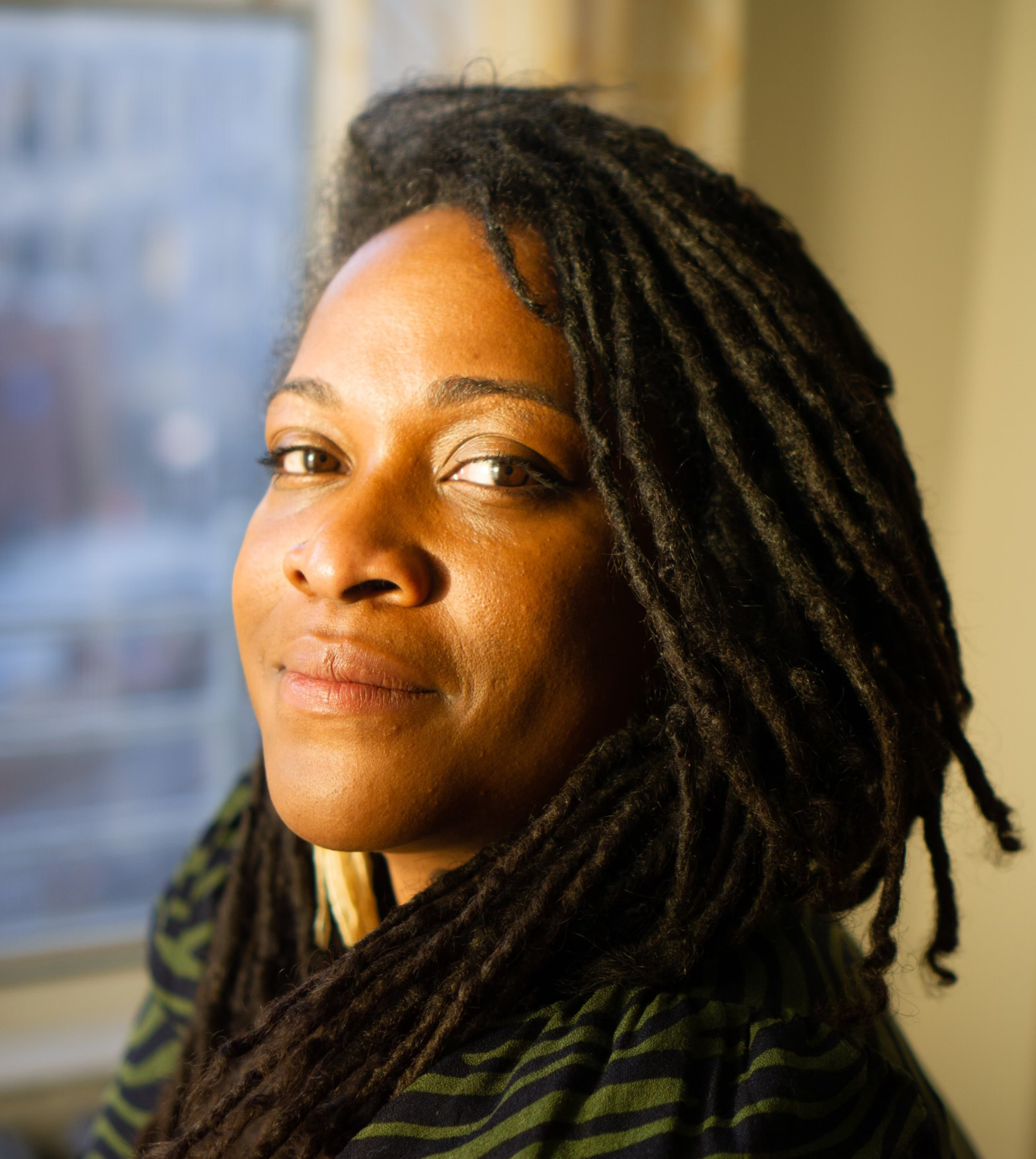
Regina Davis-Moss:
Notice the gap between the stories you’re seeing about Black motherhood and what feels true because it’s rooted in lived experience and systemic context, not just outcomes. Then take one step to close that gap. Commit to share a story of Black women’s experiences and support a Black-led reproductive justice organizations, working to expand what is just and possible for Black women and families. Start here.
Lauren Whitehead:
Buy a book on the reality of black maternal health at a local book store, such as –– We Live For the We: The Political Power of Black Motherhood by Dani McClain. I think there is an assumption that poor maternal health care is a community specific issue but this books helps us understand how what happens to some of us is coming for all of us. The more you know about the most targeted among us, the more equipped you are to protect yourself and your community.
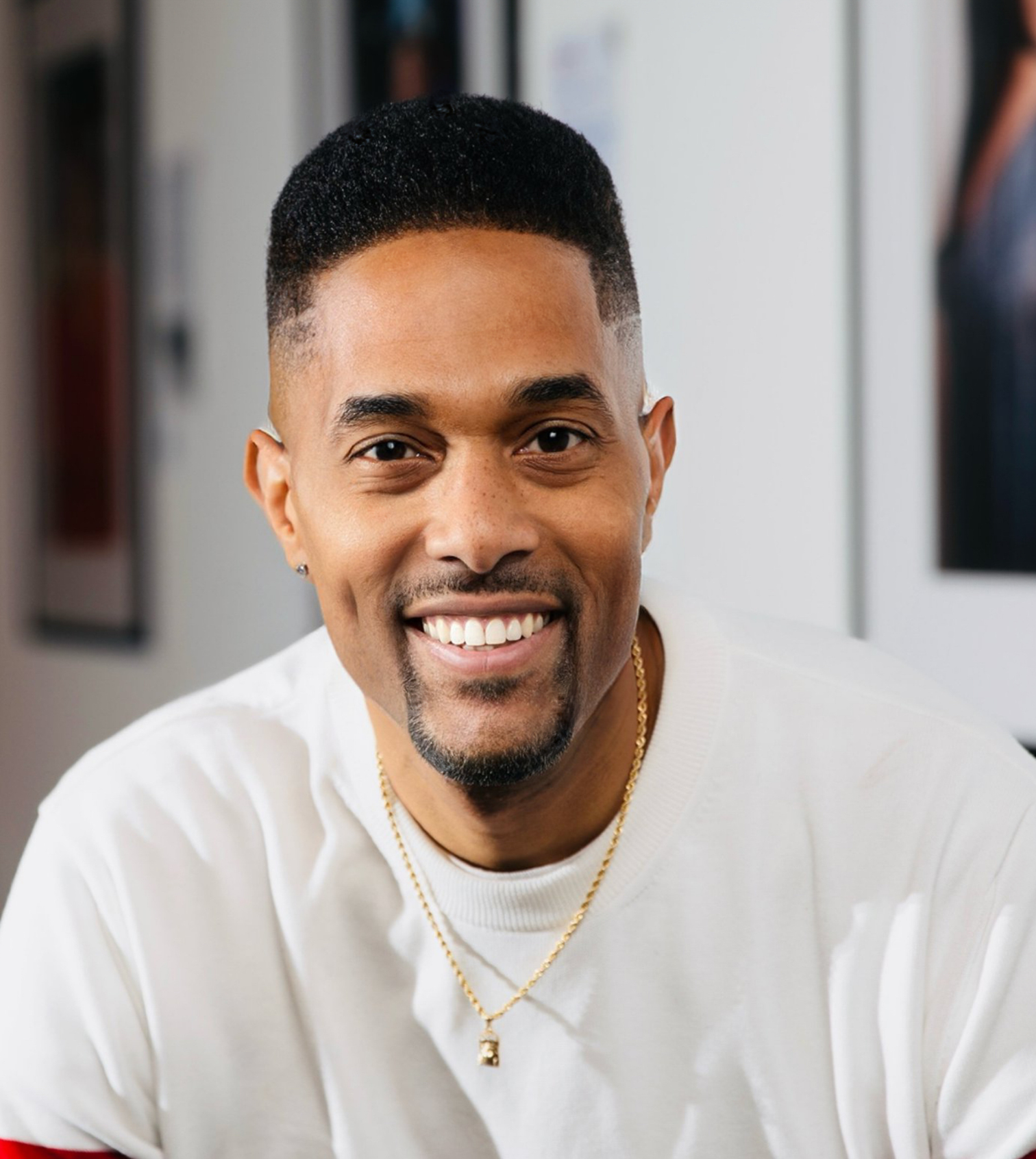
Emmai Alaquiva:
Listen to the Black mothers in your life, invest in the people guiding them safely through birth, and demand more from the systems that hold their care. Find the midwives, doulas, and birth workers in your own city and support the care they are already providing. Start learning about comprehensive doulas services.